
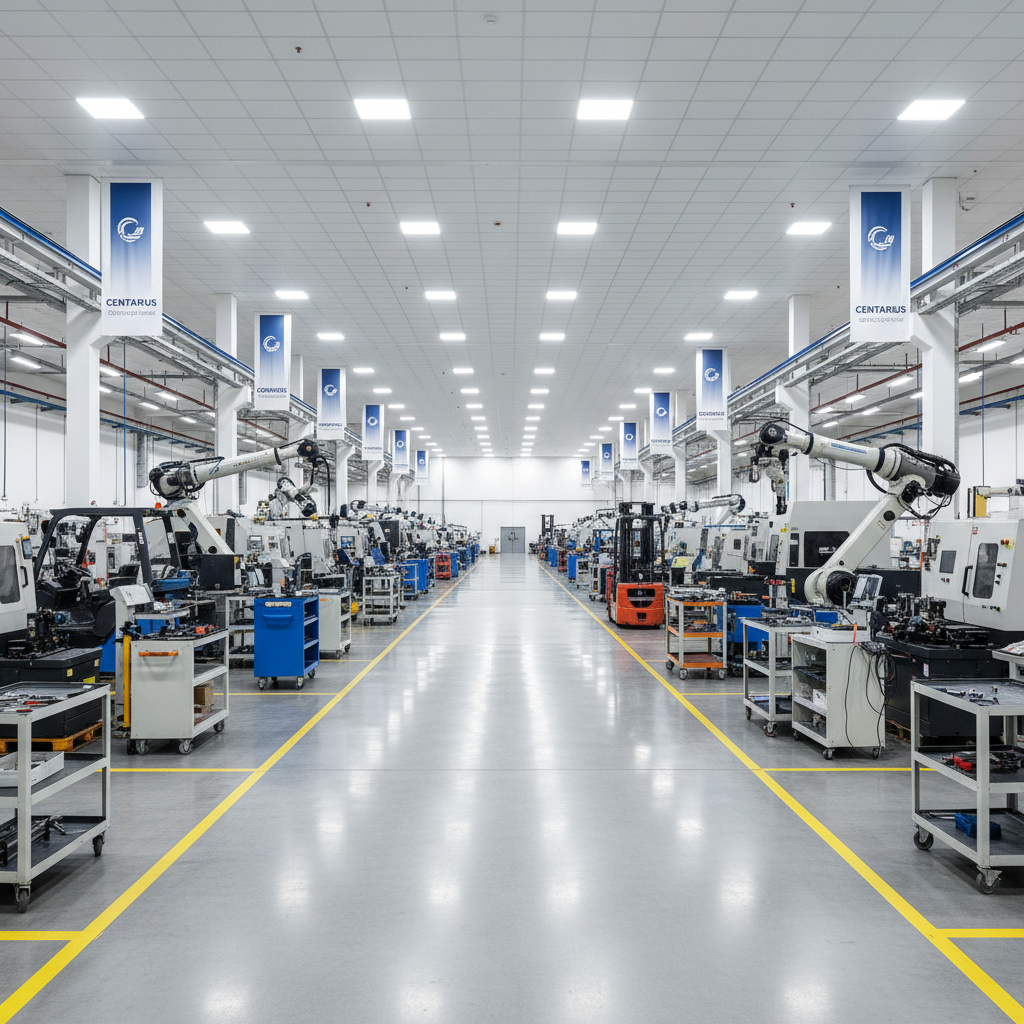
The Floor Walk
We Read the Factory Before We Read the P&L
Most consultants arrive with a framework. We arrive with steel-toed boots. The first 48 hours of every engagement are spent on the floor — timing changeovers with a stopwatch, mapping material flow by hand, watching where supervisors cluster when things go wrong.
We're looking for the constraint that's running the plant — not the one showing up on the monthly report. They're rarely the same thing.
"The bottleneck was a 94-minute changeover on Line 4. It had been that way for six years. Nobody had timed it."
— Forge Diagnostic Report, Tier-2 Auto Supplier, OhioDiagnostic Deliverables
Constraint map with quantified impact ($)
Value-stream analysis — actual vs designed flow
Leadership capacity assessment
Prioritised intervention shortlist
Baseline OEE by line and shift
Case · Precision Metal Fabricator · Michigan
"We thought the problem was the press. It was the scheduling board."
11days
Diagnostic duration
4
Constraints identified
$3.4M
Recoverable annually
62%
OEE at start
48-Hour Floor Protocol
The Roadmap
Intervention Sequenced by Payback, Not by Convenience
The roadmap is built around one question: which constraint, removed first, creates the most capacity for removing the next one? We sequence interventions by velocity of payback — typically the constraint with the highest dollar-per-week recovery rate goes first, regardless of how uncomfortable that is.
Engagement Timeline
Tier-2 Auto Supplier — 18-week engagement
Diagnostic
Wk 1–2
SMED Workshop
Wk 3–5
Pilot Line
Wk 6–9
Scale-out
Wk 10–14
Handoff
Wk 15–18
Roadmap Outcomes — Tier-2 Auto Supplier
94→22min
Changeover time
$3.4M
Annual recovery
+31%
Throughput gain
14wk
To first measurable gain
The Sequencing Logic
The SMED workshop on Line 4 came first — not because it was easiest, but because each recovered minute freed 6.3 units of daily capacity. That capacity funded the next intervention.
By week 10, the client's own maintenance team was running the methodology. Our role shifted from leading to coaching. That transition is the point.
See how we build the roadmapThe Embedded Model
We Work Inside the Building, Not from a Slide Deck
The Forge team embeds on-site for the duration of the execution phase — typically 8 to 14 weeks. We run Kaizen events with your operators, not for them. The methodology transfers to your team by design. When we leave, the system runs itself.

Who We Work With
Second-generation plant owner
Margins eroding 200bps/yr. Son wants to sell. Father built it. Forge found $1.8M in recoverable throughput in the first diagnostic.
Operations VP — PE-backed portfolio
18 months to EBITDA target. Two prior consultants had come and gone. Forge embedded on-site for 14 weeks.
Family-owned contract manufacturer
Doubling output without a new building. Forge redesigned material flow and eliminated 3 of 7 non-value steps.
OEE Trajectory — 14-Month Engagement
Counterfactual baselineWith Forge
58%
OEE at start
76%
OEE at M14
+18pp
Delta
The Proof
We Don't Leave Until the Numbers Are in the System
Every engagement closes with a measurement dashboard built inside your existing ERP — no new software, no subscription. OEE, TAKT adherence, and changeover time tracked daily by your team, not ours.
The EBITDA impact is calculated conservatively — we use your finance team's cost assumptions, not ours. If the number isn't in the P&L within 18 months, we come back.
"Forge found $2.1M in year one. We'd had three lean consultants before them. None of them had timed a changeover."
Greg Andersen
VP Operations · Midwest Precision Components
What We Track at Exit
The Diagnostic — First Engagement
The Constraint Is Already Visible. We Just Have to Look.
A Forge diagnostic engagement runs 8–12 days. You receive a constraint map, a prioritised intervention roadmap, and a quantified recovery estimate — signed by our team. If we can't identify at least $1M in recoverable throughput, the diagnostic is on us.
Not ready to talk?
Download the Throughput Audit FrameworkIf the diagnostic doesn't surface at least $1M in recoverable throughput, we refund the engagement fee. We've invoked this clause once in 47 engagements.